Are Microgreens more Nutritious than the Mature Vegetables?

Marion Boulter
Head of Nutrition and Food
- Microgreens
- Diet
- Nutrient Density
The short answer is a resounding yes, though the full story is far more compelling. Instead of debating which life stage is superior, nutrition scientists are exploring a more fundamental question: how does a plant's nutritional profile evolve over time? This inquiry uncovers fascinating insights into plant development and explains why microgreens have become such a dynamic focus of modern nutritional research.
A Plant's Nutritional Evolution
It is easy to assume a plant's nutritional value remains static from seedling to harvest, but it actually shifts continuously. As a plant matures, its biological priorities change: young seedlings focus energy on rapid development of leaves, stems, and roots, while mature plants redirect those resources toward structural growth, flowering, and seed production.
Each stage serves a distinct purpose, resulting in a unique nutritional profile. Rather than viewing young and mature plants as competitors, it is more helpful to see them as offering different nutritional strengths. Both are essential to a well-rounded, healthy diet, just in different ways.
The Power of Nutrient Density
Every seed begins life packed with an extraordinary reserve of nutrients. Before a young plant establishes roots or fully relies on photosynthesis, it draws on these stores to fuel its rapid early growth. During this vital phase, the plant is also busy producing a vibrant array of vitamins, pigments, and protective compounds that support its development.
The science behind this concentrated growth is truly impressive. A landmark study conducted by the University of Maryland and the USDA revealed that microgreens can contain between four and forty times the nutrient concentrations of their mature counterparts. Whether it is the vitamin K in parsley or the aromatic polyphenols in mint, these tiny greens pack a serious punch.
Research published in the Journal of Agricultural and Food Chemistry further supports this, with studies revealing that many microgreens boast significantly higher concentrations of specific vitamins and carotenoids than the vegetables we typically find on our dinner plates.
Building a Diverse Diet
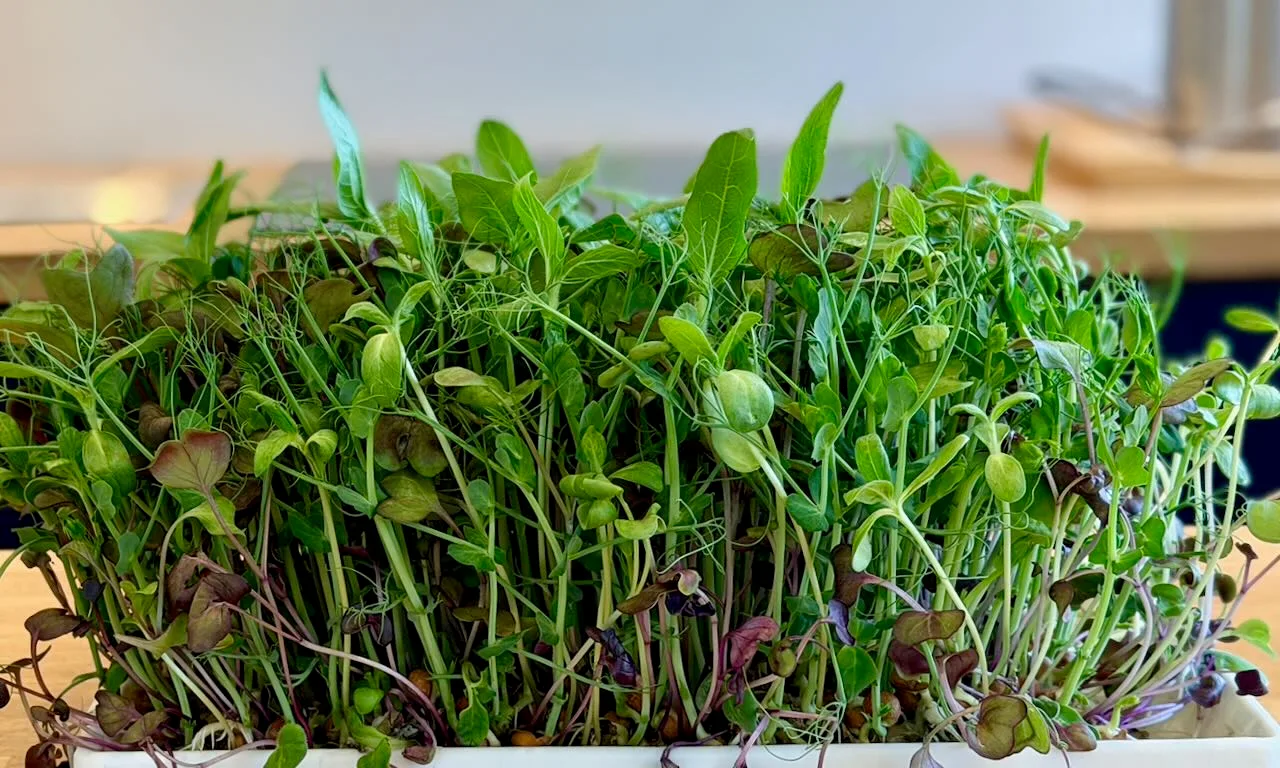
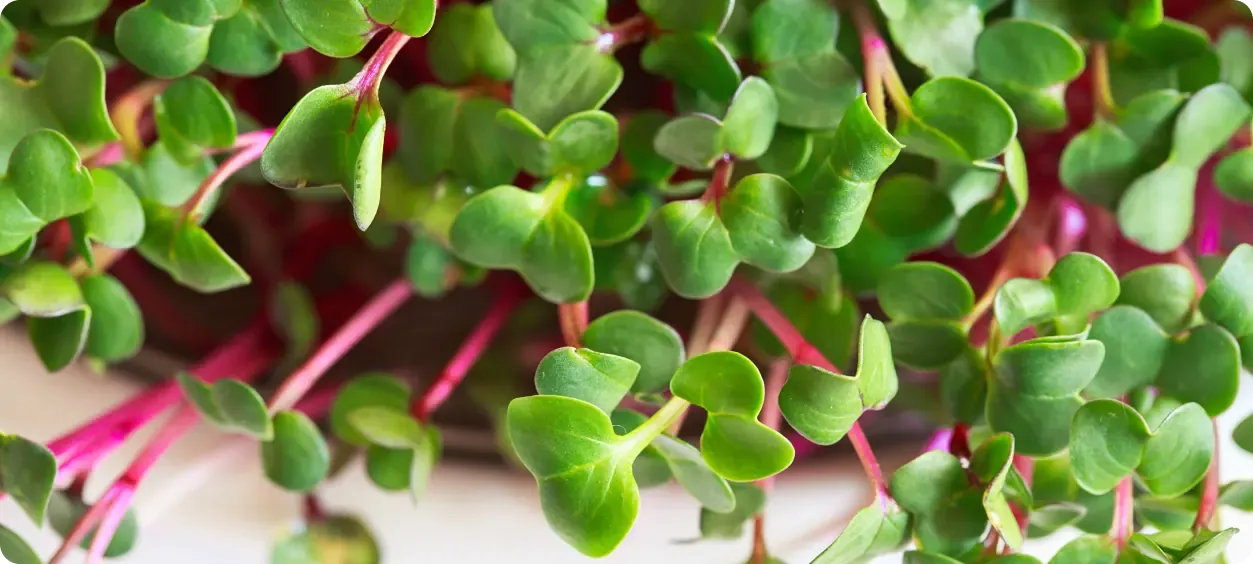
Every plant tells its own story. Broccoli microgreens are rich in glucoraphanin; kale provides vitamins A, C, and K alongside beneficial carotenoids; and pea shoots deliver essential folate. Varieties like rocket, radish, and mustard can transform from seed to plate in as little as eight days, bringing living ingredients directly into your kitchen.
The greatest impact on our health comes from variety. By enjoying a colourful array of microgreens, we tap into a unique synergy of vitamins, minerals, and protective compounds, fostering a more balanced diet. While mature vegetables remain foundational for their fibre and minerals, microgreens allow us to enjoy a plant at its most potent stage of development.
Freshness in Eight to Ten Days
At Home Harvest, we believe this dynamism is the heart of good nutrition. We don’t have to choose between microgreens and mature produce; the real opportunity lies in embracing both. Growing microgreens at home turns this science into a daily ritual, shortening the gap between harvest and consumption.
When we bring the harvest closer to home, we aren't just eating better. We are experiencing the full vibrant story of our food. Nutrition doesn't have to be complicated. It can be as simple as a tray of living greens and the joy of harvesting greens moments before they reach your plate.
Home Harvest is a rewarding way to add colour, intense flavour, and meaningful nutrition to your plate, every single day.