GLP-1 Medications: Why Every Bite Counts

Marion Boulter
Head of Nutrition and Food
- GLP - medication
- Nutrient Density
The increasing use of GLP-1 medications, such as Wegovy (semaglutide) and Mounjaro (tirzepatide), means that many people are consuming significantly less food than previously. Regardless of the reason someone is taking these medications, one truth remains: when appetite is reduced, the nutritional quality of each meal becomes crucial.
When food intake decreases, every bite has greater nutritional significance. Rather than focusing solely on calories, attention should shift toward nutrient density. Focus on choosing foods that provide the greatest nutritional benefit per mouthful. Fresh fruit and vegetables are among the most nutrient dense foods available, providing essential vitamins, minerals, and antioxidants in smaller portions.
If you are taking GLP-1 medication or just eating less, it is still very important to get all your essential vitamins and minerals, even if your meal portions are smaller. Eating less does not reduce the body's need for essential nutrients, including fibre, protein, and healthy fats which remain vital for energy, immune function, and overall wellbeing. The challenge, therefore, is ensuring you consistently obtain these nutrients from every smaller meal.
The Relationship Between Freshness and Nutrient Density
Nutritional quality is intrinsically linked to the time elapsed since a plant was harvested. Many essential vitamins, particularly water soluble ones like Vitamin C, and various phytonutrients begin to degrade almost immediately after harvest. For produce that undergoes long distance transport and extended storage before reaching consumers, the nutritional profile can be significantly lower than that of freshly harvested alternatives.
Maintaining maximum nutrient retention is most effectively achieved by consuming produce as close to the point of harvest as possible. Indoor cultivation methods, such as growing microgreens, allow for immediate access to fresh plants. Home Harvest can help facilitate this practice, ensuring that vitamins and minerals remain at their peak levels at the time of consumption.
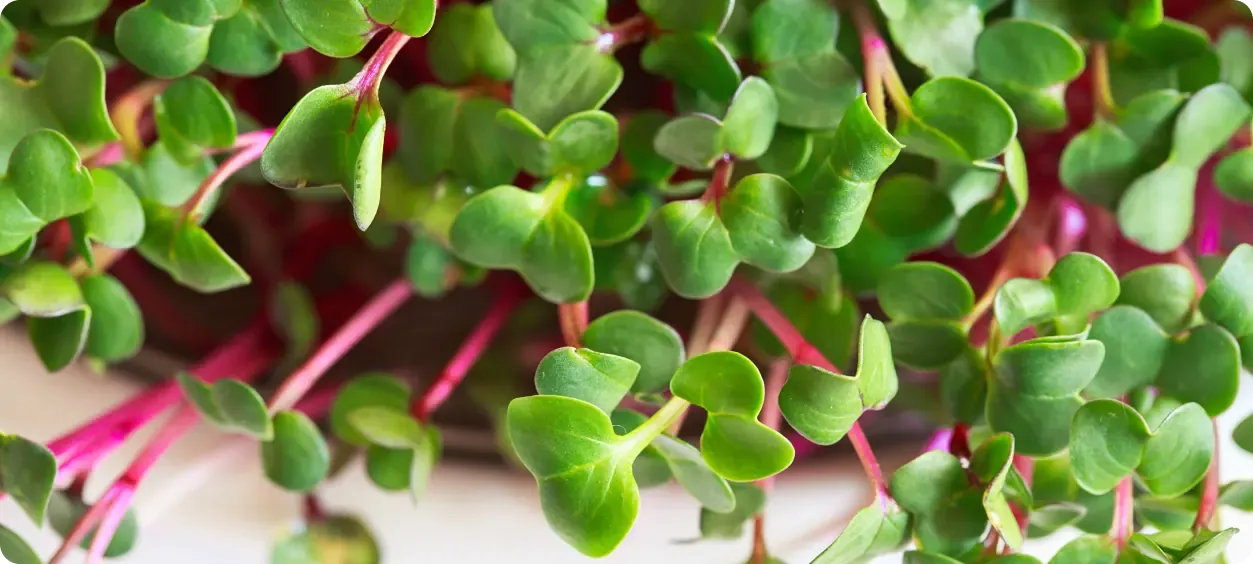
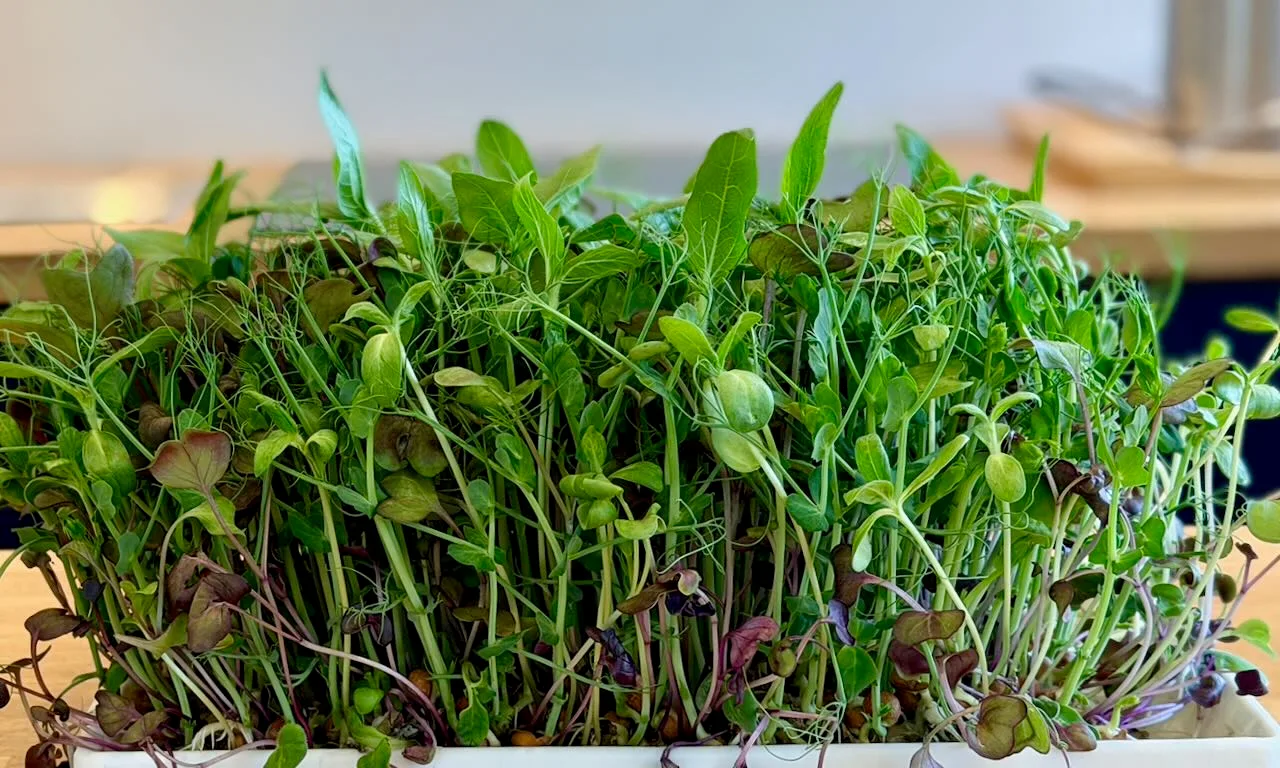
Microgreens are vegetables harvested during their earliest growth stages, typically 7 to 14 days after germination. At this stage, the young plants often contain higher concentrations of vitamins, minerals, and antioxidants compared to the mature versions of the same species. For individuals with reduced appetites, these small but nutrient dense plants offer a way to increase mineral intake without the need for large food volumes.
Supporting Dietary Diversity and Fibre Intake
A diverse diet is critical for ensuring a comprehensive intake of the various micronutrients required for metabolic health. Since different plant families provide unique profiles of antioxidants and phytochemicals, incorporating a wide range of vegetables helps prevent nutritional gaps that may occur when total caloric intake is restricted.
Regularly alternating between different types of microgreens such as brassicas like broccoli and mustard, or leafy greens like rocket and pea shoots is an efficient strategy for increasing this diversity. Each variety contributes different nutrients; for example, broccoli microgreens are known for their high sulforaphane content, while radish microgreens are rich in Vitamin C.
Fibre is an essential part of a balanced diet, supporting digestive health, healthy blood sugar regulation and the gut microbiome. When portions are smaller, getting enough fibre from a variety of foods becomes particularly important. Microgreens can contribute some fibre, but their real value lies in adding greater plant diversity and a range of nutrients and beneficial plant compounds to everyday meals. Pairing them with fibre rich foods such as wholegrains, pulses, vegetables, fruit, nuts and seeds helps create a more nutritionally complete plate.
By prioritising nutrient density and freshness, it is possible to maintain health and vitality even during periods of reduced food intake. Focusing on high quality, plant based additions can help bridge the gap between lower volume and the body's consistent need for essential nourishment.
The following principles highlight how fresh, nutrient dense plants such as microgreens can complement a balanced diet.
- Make Every Bite Count: When appetite or portion sizes are smaller, choosing a variety of nutrient rich foods can help make each meal more nutritionally valuable. Microgreens are an easy way to add fresh plants to the plate.
- Enjoy Them Fresh: Harvesting microgreens at home means they can be eaten moments after picking, without the time spent in transport and storage that comes with conventional supply chains.
- Eat a Variety of Plants: Different microgreens contain different vitamins, minerals and naturally occurring plant compounds. Growing and eating a variety can help broaden the range of plants in your diet.
- Bring More to the Plate: Colour, crunch, freshness and flavour can make smaller meals more appealing and enjoyable, while adding another layer of plant based nutrition.
Prioritising the nutritional integrity of every meal provides the physiological support required for optimal function, independent of specific dietary adjustments. Establishing a consistent, living source of produce such as the indoor cultivation methods facilitated by Home Harvest enables the seamless integration of peak freshness into daily routines, ultimately contributing to sustained health and long term wellbeing.