Beyond the Bag: Discover the Freshness of Growing Your Own Greens

Marion Boulter
Head of Nutrition and Food
- Bagged salad
- Freshness
The bagged salad stands as a remarkable achievement of modern agriculture, representing a sophisticated convergence of logistics, horticulture, and technology. For decades, the industry has successfully transformed highly perishable leafy greens into a convenient staple that ensures fresh produce remains accessible to households year round. This consistent availability is a testament to the tireless dedication of farmers and the efficiency of a global food system designed to provide reliable nutrition regardless of the season. To appreciate the bagged salad is to acknowledge the immense effort required to manage thousands of acres, coordinate precise harvest windows, and maintain an unbroken cold chain that spans continents.
Historically, the rise of the pre packaged salad industry in the late twentieth century revolutionized how we consume vegetables, moving them from occasional garden treats to daily dietary essentials. This transition was fueled by innovations in modified atmosphere packaging and rapid cooling techniques, which extended the shelf life of delicate leaves like baby spinach and rocket. While these advancements have undoubtedly improved public health by increasing vegetable consumption, they also invite us to explore different dimensions of freshness. As we look toward the future of nutrition, we must weigh the impressive logistics of the commercial supply chain against the unparalleled experience of harvesting living food within our own kitchens.
The Journey of Produce
The complexity of the field to shelf journey has recently become the subject of wider public discussion, highlighting the intricate safety protocols required to manage such a vast network.
In The Times article, “Oh, no, not the lettuce! Why the microbiologist won’t eat salad”, clinical microbiologist Dr Primrose Freestone explains why she personally avoids bagged salads. Her concerns centre on how the moisture trapped inside sealed plastic bags can potentially encourage the growth of bacteria if contamination is present during growing or processing. This insight highlights some of the microbiological challenges involved in keeping fresh leaves safe throughout their journey from field to shelf. Read the article in The Times.
Similarly, The Guardian article, “Salad is supposed to be good for you – so what’s behind all the cases of lettuce poisoning?”, explores foodborne illness outbreaks associated with leafy greens. The article discusses the complexity of a system in which every stage, from growing and irrigation through to processing, packaging, storage and distribution, needs to be carefully managed. Read the article in The Guardian.
Neither piece suggests abandoning salads or fresh produce. Instead, they highlight the many stages involved in bringing fresh leaves from field to shelf and the importance of maintaining rigorous food safety standards throughout that journey.
The Science of Freshness
To understand true freshness, we must look at the biological reality of the plant. From the moment a leaf is severed from its root system, a series of natural biological processes begin that lead to inevitable nutrient degradation. The primary driver of this is respiration, where the plant continues to consume its stored sugars to stay alive, effectively "breathing" itself toward exhaustion. As the plant uses up these energy reserves, enzymatic activity increases, leading to the breakdown of cell walls, which causes the familiar softening of texture and loss of crunch.
For the consumer, the most significant impact is the rapid loss of volatile nutrients, particularly vitamin C and sensitive antioxidants. Studies in food science have shown that some leafy greens can lose up to fifty percent of their vitamin C content within days of harvest, even when refrigerated. Delicate phytochemicals, which provide both flavour and health benefits, are equally prone to oxidation. While the commercial cold chain is excellent at preserving the visual appearance of a salad, it cannot fully halt the internal biological clock. By the time a bag reaches the supermarket shelf, it may look perfect, but its physiological peak has already passed. The only way to capture the full spectrum of these nutrients is to harvest the plant while it is still actively growing and metabolising.
The Role of Home Harvest
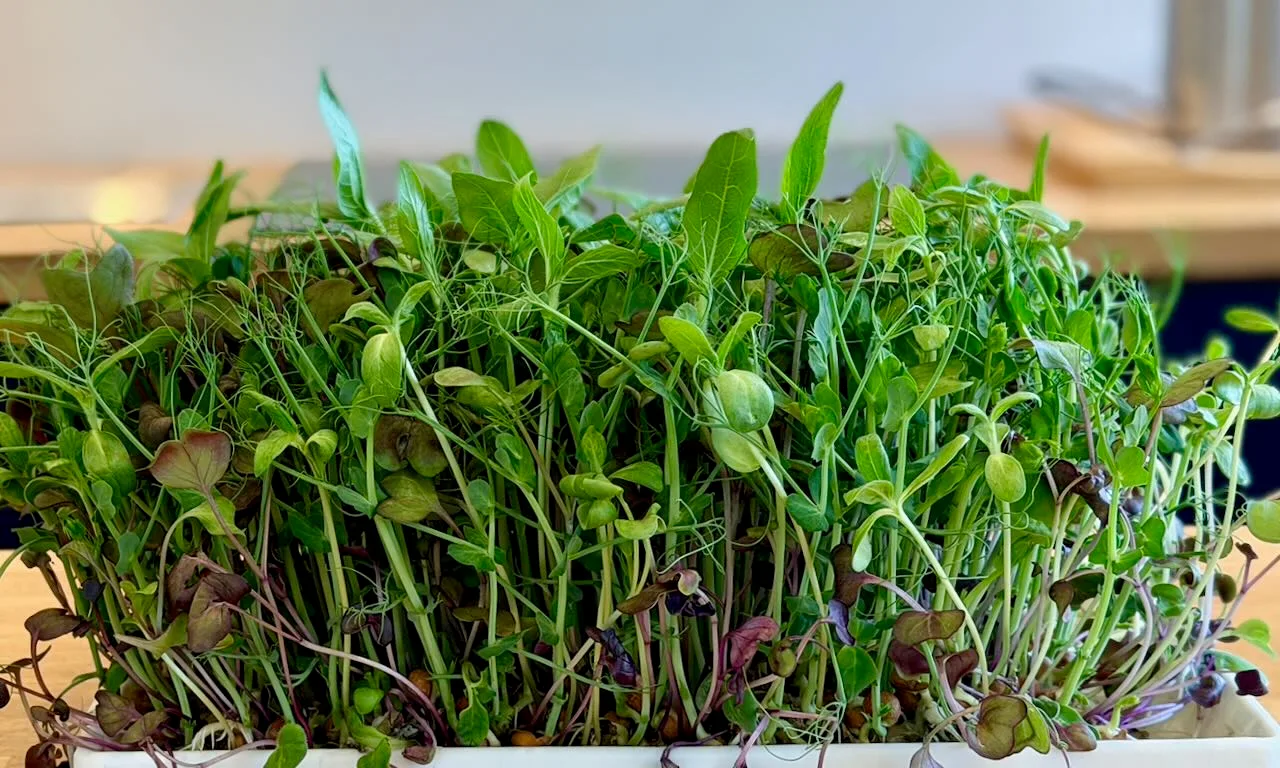
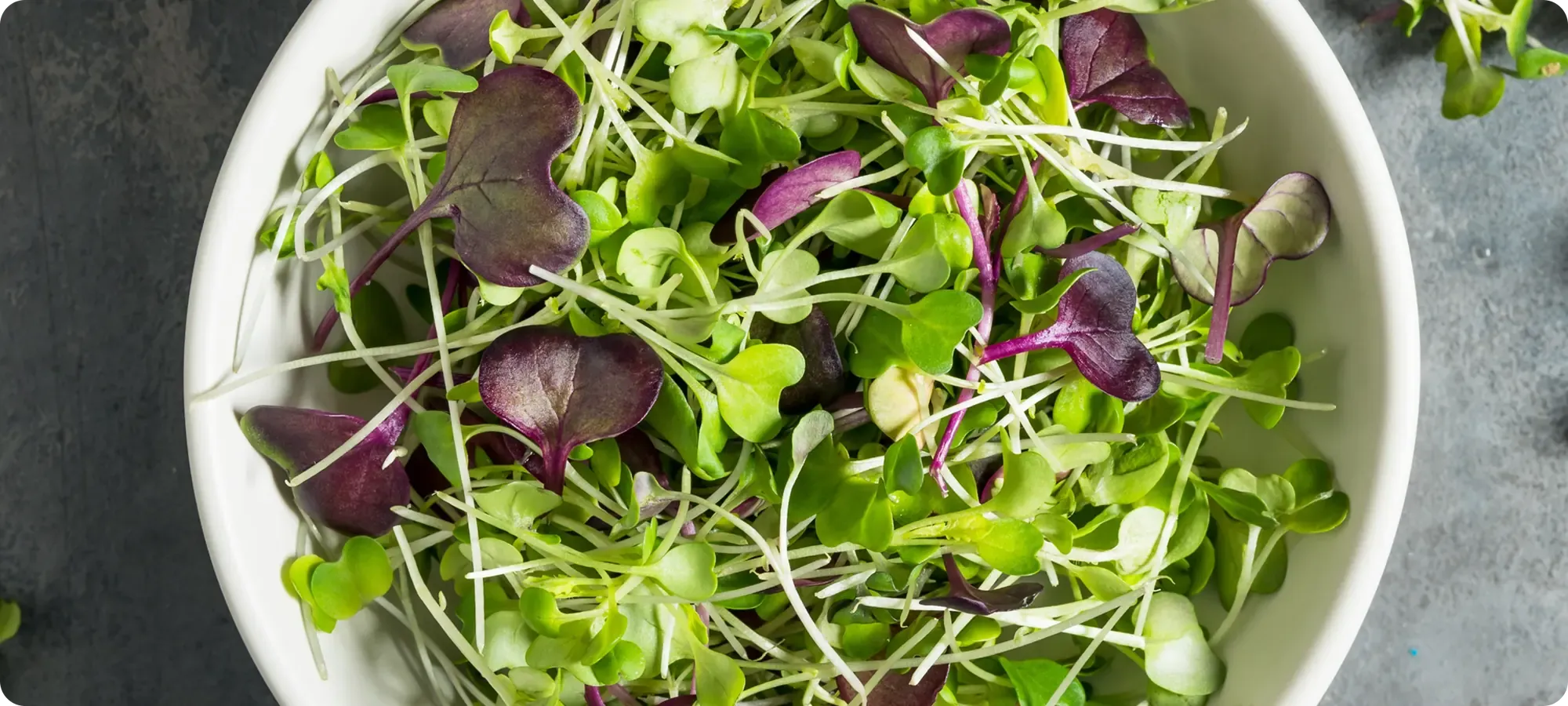
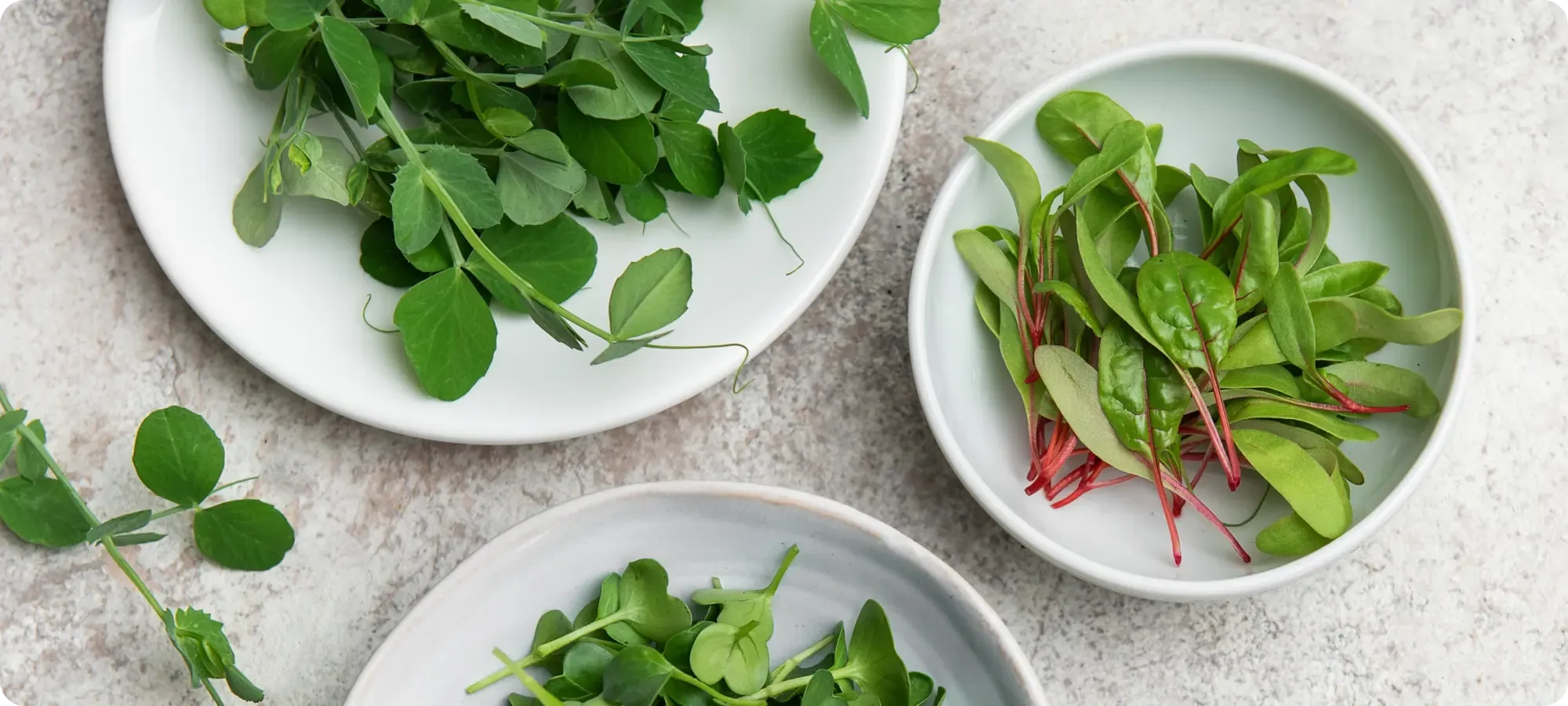
At Home Harvest, we believe the future of nutrition is about complementing traditional supply chains with exceptionally fresh, home grown greens. Home Harvest allows you to produce a wide variety of microgreens, salad leaves, and fresh herbs that remain alive until the very second you need them. There is no industrial washing, no protective atmosphere packaging, and no race against a use by date. By removing the need for a long journey, we ensure that your greens spend their best days growing in your home rather than sitting in a warehouse.
Beyond the nutritional gains, there are profound sensory and emotional benefits to growing your own food. There is a deep psychological satisfaction that comes from tending to a living organism and witnessing the cycle of growth from seed to plate. The aroma of freshly bruised basil or the vibrant, peppery snap of a microgreen harvested seconds ago offers a culinary experience that no store bought alternative can replicate. It fosters a closer connection to our food. This transparency is where everything begins; you know exactly where your food comes from, how it was nurtured, and that it has never been touched by unknown chemicals or industrial processes.
Sustainability and Freshness
The environmental footprint of global produce distribution is a critical consideration in modern nutrition. Long supply chains carry hidden costs, from billions of single use plastic bags to significant transportation emissions. By growing food at the point of consumption, we bypass these environmental hurdles entirely. Home growing eliminates the need for plastic packaging and fuel intensive logistics, ensuring that resources like water and light are converted directly into human health rather than lost during transport. This approach reduces waste and contributes to a more resilient, ecologically responsible food system.
The recent conversations surrounding the safety and freshness of bagged lettuce are not a reason to fear salads. Instead, they provide a valuable opportunity to appreciate produce in a new and more nuanced way. Bagged lettuce will always have an important place in ensuring that leafy greens remain a convenient part of a modern diet, and we should continue to support the farmers who make this possible. However, Home Harvest offers an invitation to elevate your nutrition by integrating living greens into your daily life. By choosing to grow your own microgreens and herbs, you are opting for the highest possible nutritional value, achieved only when the plant is at its physiological peak. We believe that true health is found in this connection to living food. As we navigate the complexities of the modern world, let us remember that the ultimate standard for freshness cannot be found on a label.
The highest nutritional value and the best flavours are achieved when the distance between harvest and consumption is measured in footsteps, not miles. True freshness is not defined by a date printed on a bag; it is defined by the moment you harvest it.