From Seed to Plate: Why Growing Food Should be Part of Every Child's Education

Marion Boulter
Head of Nutrition and Food
- Children Growing Food
- Children's Education
For many children today, food simply appears. A carrot comes from the supermarket, salad arrives pre packaged in a bag, and herbs are purchased in plastic pots.
Somewhere between the farm and the dinner table, the essential story of where our food originates has been lost.
For generations, cultivating food was an integral part of everyday life. Children observed seeds developing into thriving plants, gained an intuitive understanding of the changing seasons, and learned the time, care, and patience required to produce what we so often take for granted. Today, many young people have little connection to that journey, making it high time to restore this vital relationship.
Growing Food is Learning in Action
Growing food serves as a powerful multidisciplinary tool that transforms abstract academic concepts into hands-on reality. As children observe a seed’s development, science comes alive through real time experiments in germination and photosynthesis. Mathematics is applied through measuring growth, literacy is strengthened by recording observations, and artistic appreciation is nurtured through nature’s intricate patterns. By seamlessly integrating geography, sustainability, and nutrition into one tangible experience, cultivating plants creates a lasting connection to learning that traditional textbooks alone cannot replicate.
Cultivating Confidence and Curiosity
Encouraging children to eat vegetables is often challenging, yet research consistently demonstrates that children are far more likely to try foods they have grown themselves. This process sparks curiosity and confidence, transforming healthy eating into an exciting personal achievement rather than a mealtime chore. When children nurture a plant from seed to harvest, they fundamentally reshape their relationship with food transitioning from passive consumers to active participants in their own nutrition.
Bringing Nature into the Classroom
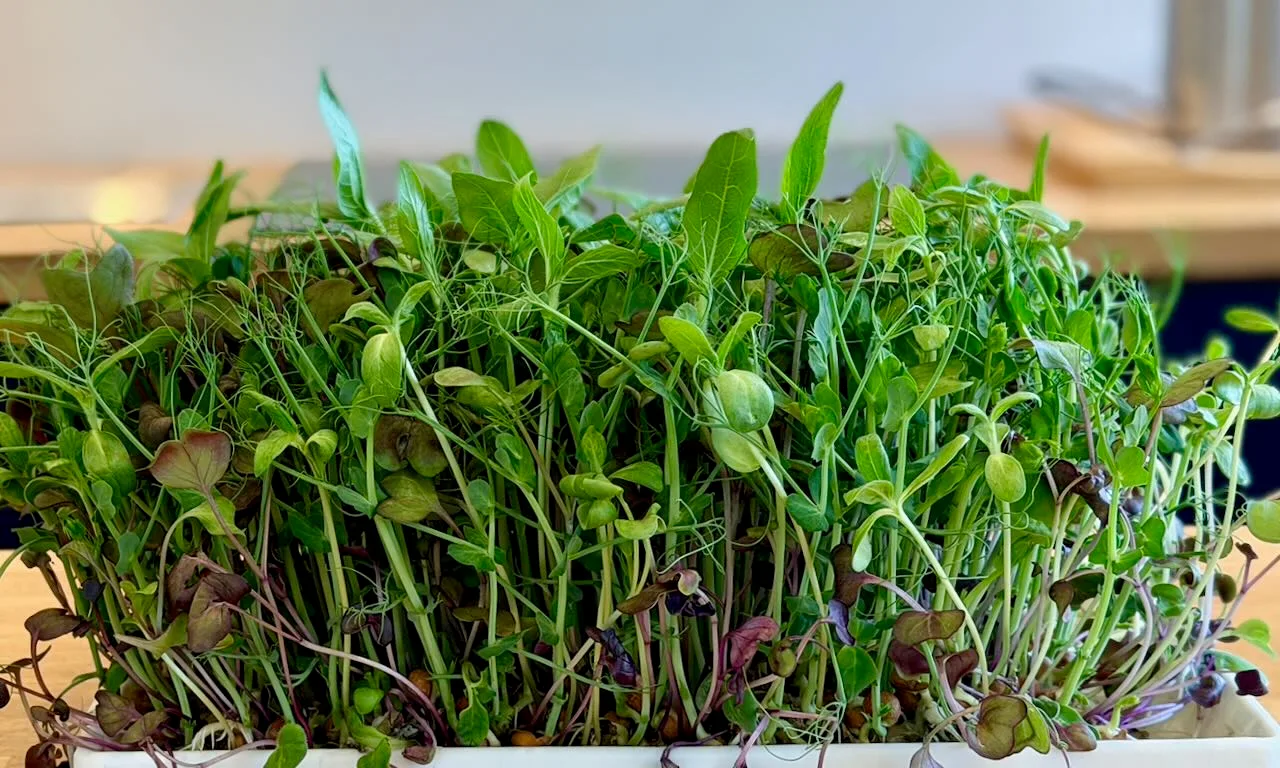
While many educators assume expansive outdoor gardens are required to teach horticulture, the solution is remarkably simple. Microgreens demand minimal space and are ready to harvest in as little as eight to ten days. This makes them an ideal, high impact medium for children to witness an entire plant life cycle within a single school week. Such rapid transformation keeps young minds captivated, offering frequent, highly rewarding opportunities to sow, observe, and harvest.
Simple Solutions for Every Classroom
At Home Harvest, we believe every child should experience the meaningful journey from seed to plate. The Home Harvest Harvester renders this process simple and accessible for classrooms and homes alike. By providing everything required to grow fresh microgreens, it enables engaging, curriculum linked activities and promotes healthier eating habits through interactive participation.
As children nurture, harvest, and taste their own crops, they develop a practical understanding of nutrition and environmental sustainability. This direct engagement fosters a lifelong appreciation for the natural world and fresh, wholesome food.
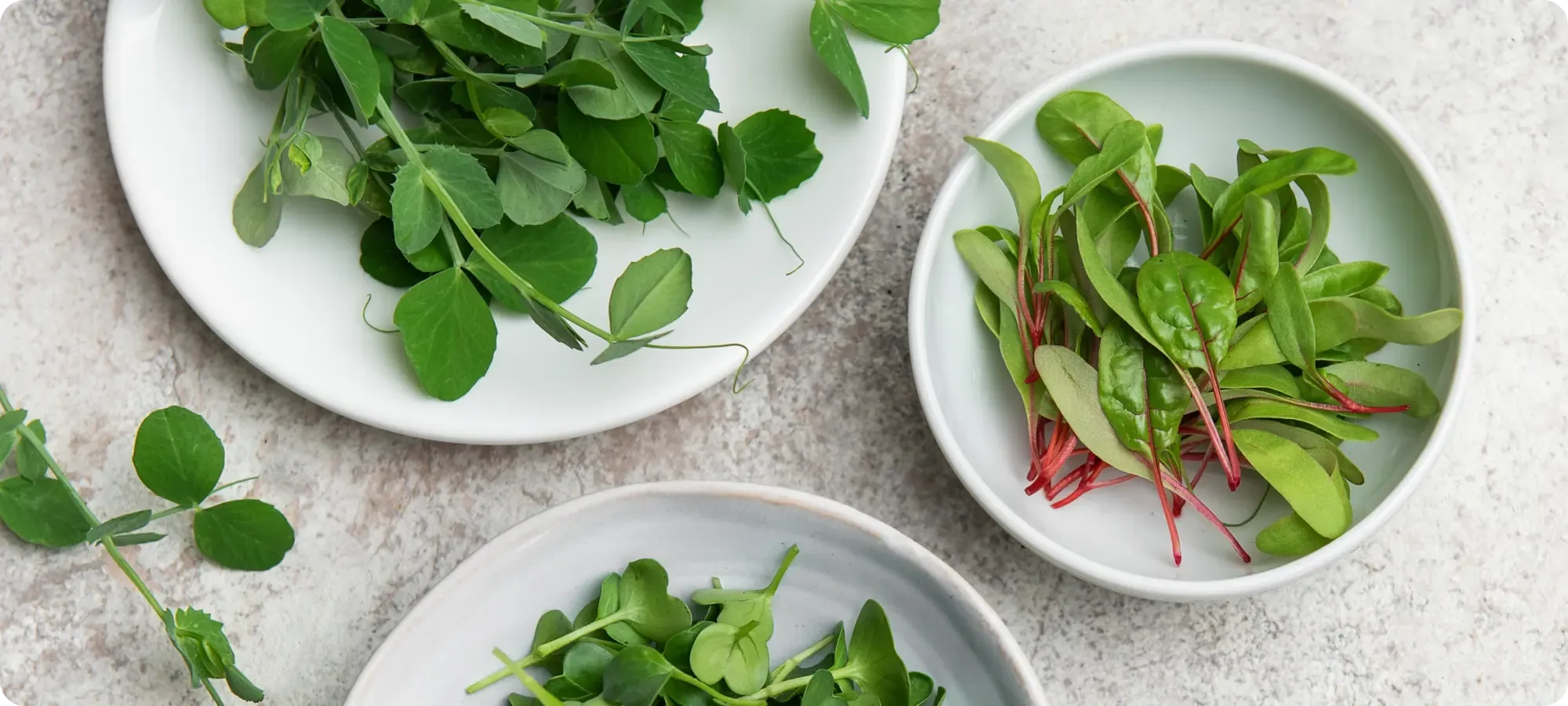
Whether inspiring a child's first taste of pea shoots or uniting an entire class around a shared harvest, the Home Harvest Harvester turns cultivation into an immersive learning experience that leaves a lasting impression.
Growing Wellness Starts Young
At Home Harvest, we believe reconnecting with how food is grown forms the foundation of a healthy lifestyle. Starting this journey in the classroom shapes tomorrow’s confident cooks and environmentally conscious adults. By cultivating their own food, children gain practical life skills, build resilience, and develop an enduring appreciation for nutrition. Ultimately, growing food is far more than a harvest. It is an investment in the habits, curiosity, and self assurance that children will carry with them for life.
Powerful lessons start with a seed.