Growing Wellness: What it Means and Why it Matters
Marion Boulter
Head of Nutrition and Food
- Growing Wellness
- Freshness Gap
- Nutrition
- Food Systems
- Health
Imagine a kitchen that gives something back. A kitchen that doesn't simply store food but helps produce it. A place where freshness is not something you buy and try to preserve, but something you experience at the point of harvest.
At Home Harvest, this idea is not just inspiration. It is our mission: to close the distance between harvest and home, so fresh, nutrient-dense food becomes more accessible at home. In doing so, we aim to support healthier choices, reduce food waste, and help households build a more direct relationship with what they eat.
We call this Growing Wellness. It is more than a strapline. It is the philosophy at the heart of our work: a belief that wellness begins earlier than the plate, shaped by freshness, awareness, and proximity to food as it is grown. We believe the future of food starts at home.
Modern food systems are one of humanity's most remarkable achievements. They allow us to access fresh produce from around the world, often regardless of season. Through farming, refrigeration, logistics, and retail networks, food travels vast distances before reaching our kitchens.
When we think about food, we often think about where it came from, what it costs, or how long it will last. We rarely think about how long ago it was harvested.
We measure food in miles travelled, shelf life, and price. We rarely measure it in time since harvest.
Yet within this system exists something invisible but always present: the Freshness Gap.
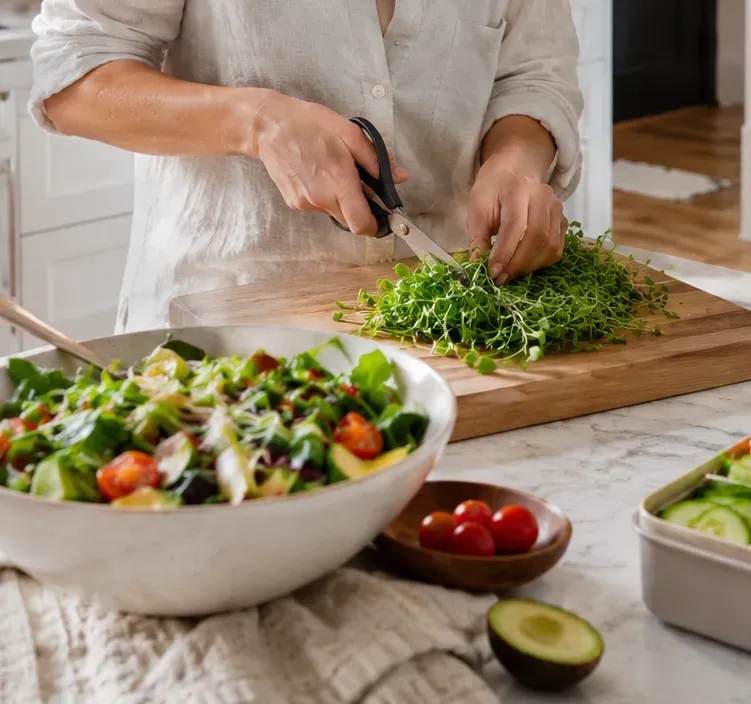
The Freshness Gap
The Freshness Gap is the time between harvest and consumption. From the moment produce is picked, it begins to change. It remains safe, edible, and nutritious, but it is no longer in a living state. Over time, through handling, storage, transport, and retail environments, subtle changes occur in freshness, flavour and texture.
A basil leaf picked seconds before dinner is experiencing the world very differently from one that began its journey days earlier through packing houses, refrigerated transport, distribution centres, and supermarket shelves.
Modern systems do an exceptional job of preserving quality after harvest, but no system can pause time entirely. For most people, this gap is invisible, yet it shapes every experience of food.
Freshness is not just a quality. It is a moment in time.
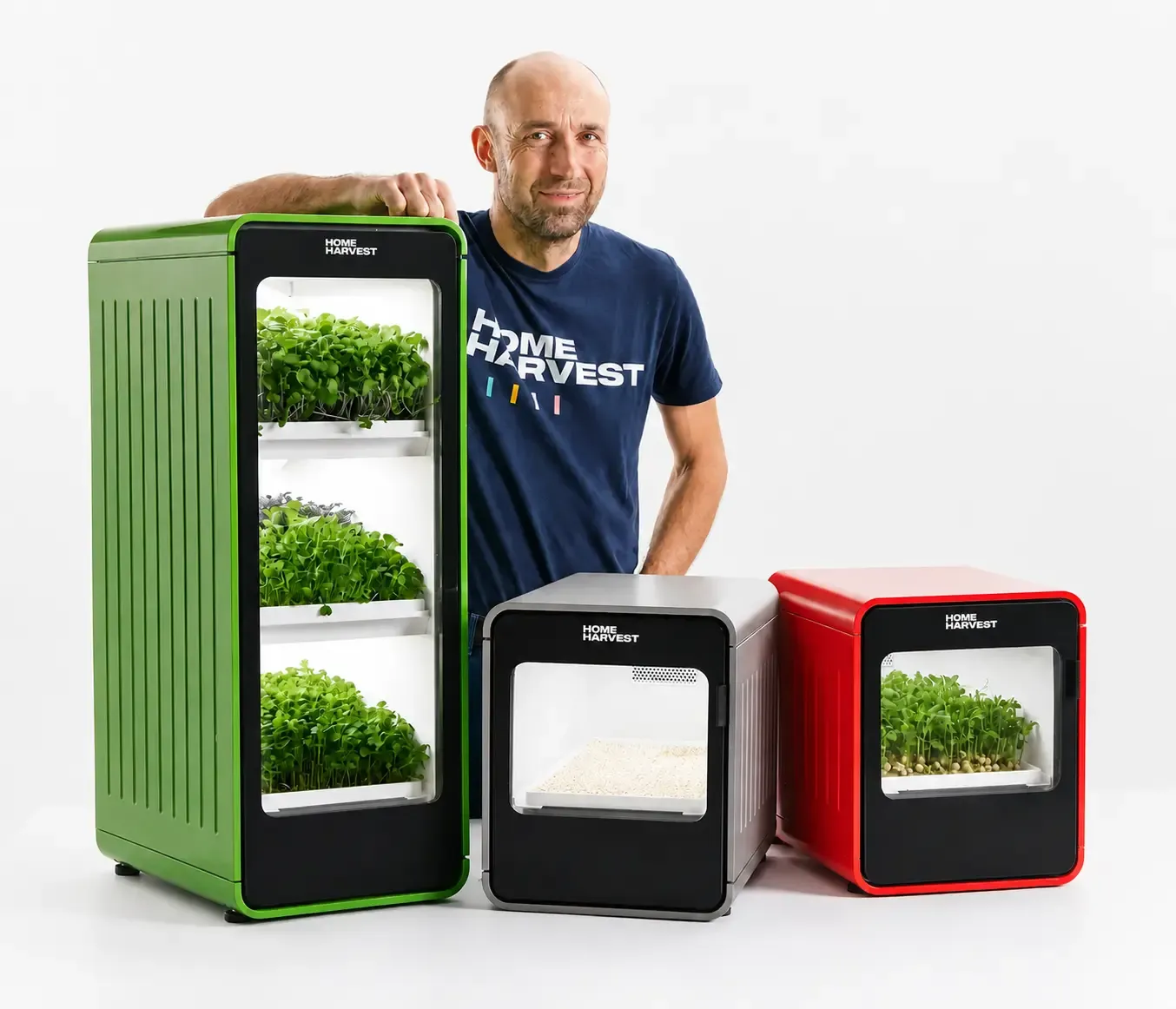
Andrew Johnson, co-founder Home Harvest
Co-founder Andrew Johnson aka 'The Salad King' has spent over 20 years farming and supplying salads to supermarkets across the UK and Europe. Giving him first-hand experience of how fresh produce moves through the modern supply chain.
Andrew explains, "Supermarkets do an incredible job of making fresh produce available to millions of people every day. But by the time food reaches the consumer, it has passed through a long, highly coordinated system involving harvesting, packing, cold storage, transport, distribution, and retail environments. At every stage, the focus is on maintaining consistency, appearance, and shelf life but not nutrition."
This system is essential for scale and reliability, but it also makes the passage of time more visible from a producer's perspective. Over the years, Andrew observed what we refer to as the Freshness Gap: the gradual shift that occurs as produce moves through multiple stages before reaching the home. While food remains safe and carefully managed, its sensory freshness naturally changes along the way.
Andrew's experience led to a simple question: what if we could grow the food within meters of the fork and plate rather than thousands of miles away? That question became one of the foundations of Home Harvest.
From a nutritional perspective, I have seen how strongly our food environment influences what we eat. While nutrition is often discussed in terms of nutrients and dietary advice, behaviour is shaped by something simpler: what is available, visible, and easy to access.
Fresh foods that are close at hand are more likely to be chosen, prepared, and enjoyed. When children grow food, curiosity often becomes a gateway to healthier eating habits.
Nutrition is rarely a knowledge problem. It is an environmental problem.
This is one reason Growing Wellness matters. It recognises that nutrition is not only knowledge-based, but also about creating environments that make healthier choices feel natural.
At Home Harvest, Growing Wellness reflects this in action. We see wellness not as something driven by instruction or willpower alone, but as something shaped by everyday environments. When fresh food is within reach, by growing in the home, it becomes easier to choose, prepare, and value.
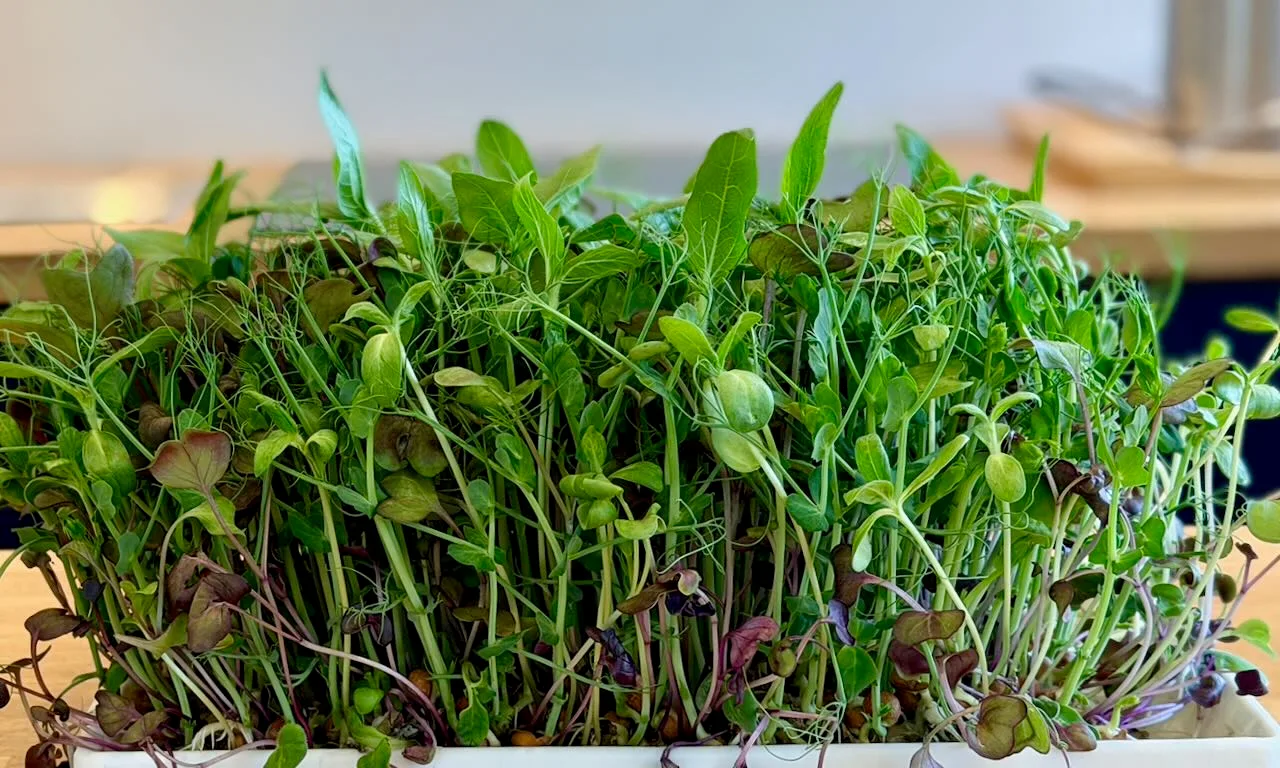
We believe freshness is more than a sensory quality. It is a driver of daily choices and wellbeing. The closer food is to harvest, the stronger the connection between people and what they eat becomes. This is especially true for leafy greens, herbs, and microgreens, where freshness is most visible and felt. This is not about replacing global food systems, which remain essential, but about complementing them with a simpler question: how close can production be brought to consumption?
In many ways, this question is already shaping the future. As researchers explore how fresh food might one day be grown on the moon and maritime missions, a simple principle remains unchanged: proximity matters. If growing food close to consumption is considered essential in space, how much closer could harvest be brought to home here on Earth?
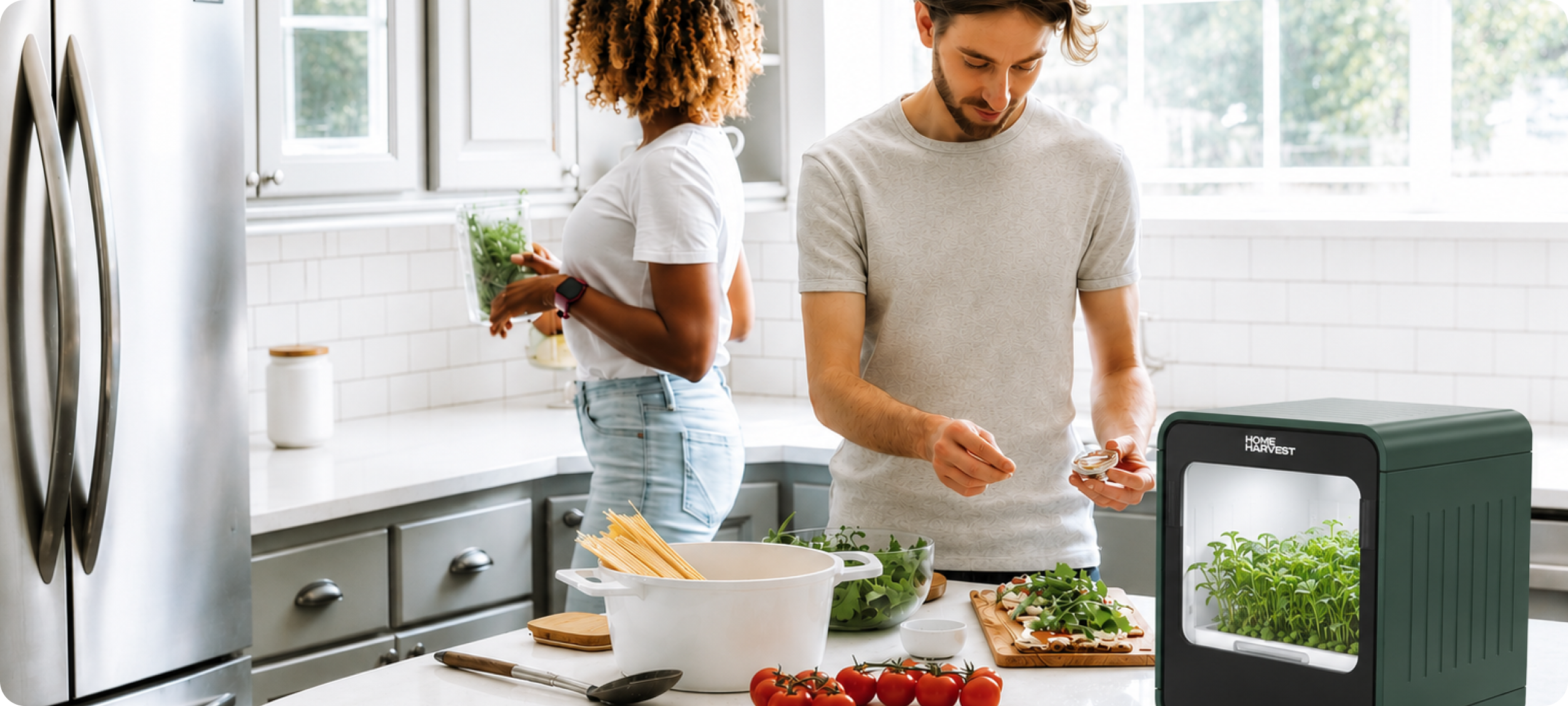
Home Harvest was founded on these questions above. By enabling households to grow fresh foods at home, we reduce the distance between growth and eating. Freshness becomes immediate and personal. Harvest happens when it is needed, not days or weeks before. Food becomes something living, visible, and participatory that changes how it is valued.
Being a Home Harvester is not about gardening. It is about taking ownership of freshness. For some, it supports healthier habits. For others, it becomes a tool for education and food literacy. For families, it creates shared moments of curiosity and learning. For households, it helps reduce waste and encourages more intentional consumption. Across all of this, one shift is consistent: when people grow food, their relationship with it changes. They understand it differently, respect it more, and don't waste it.
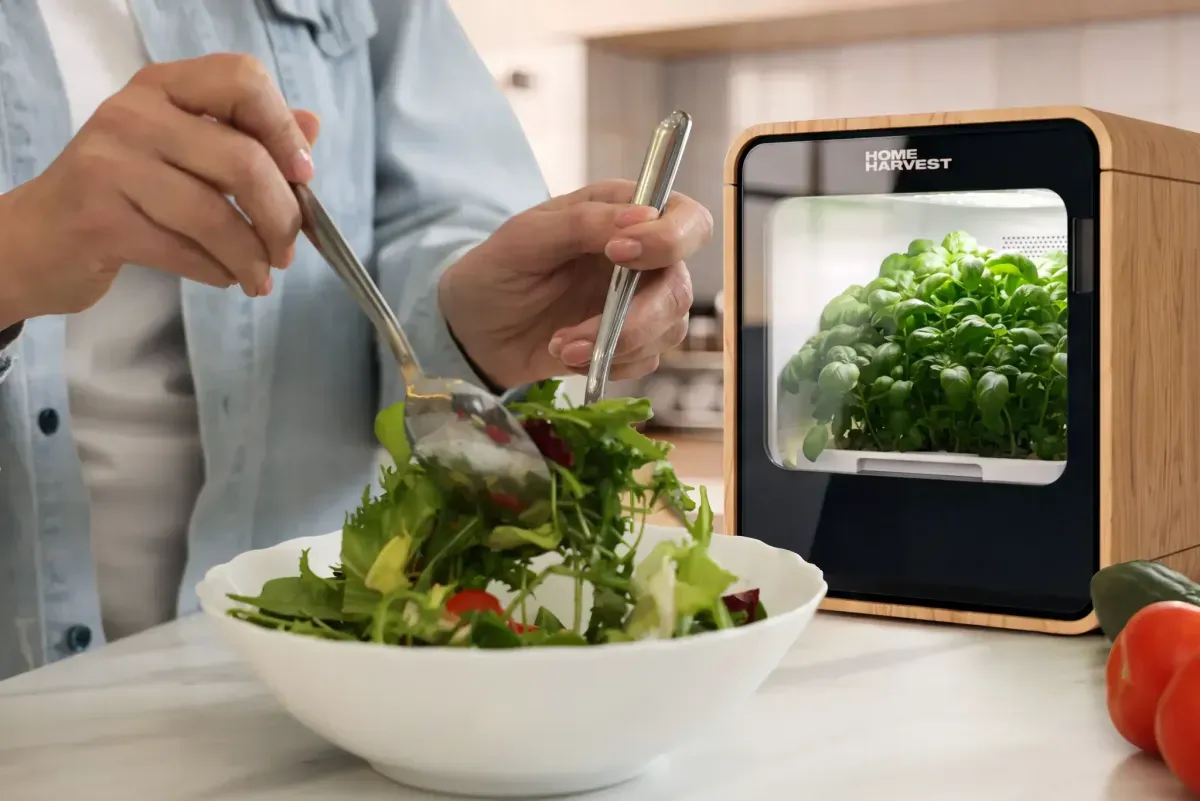
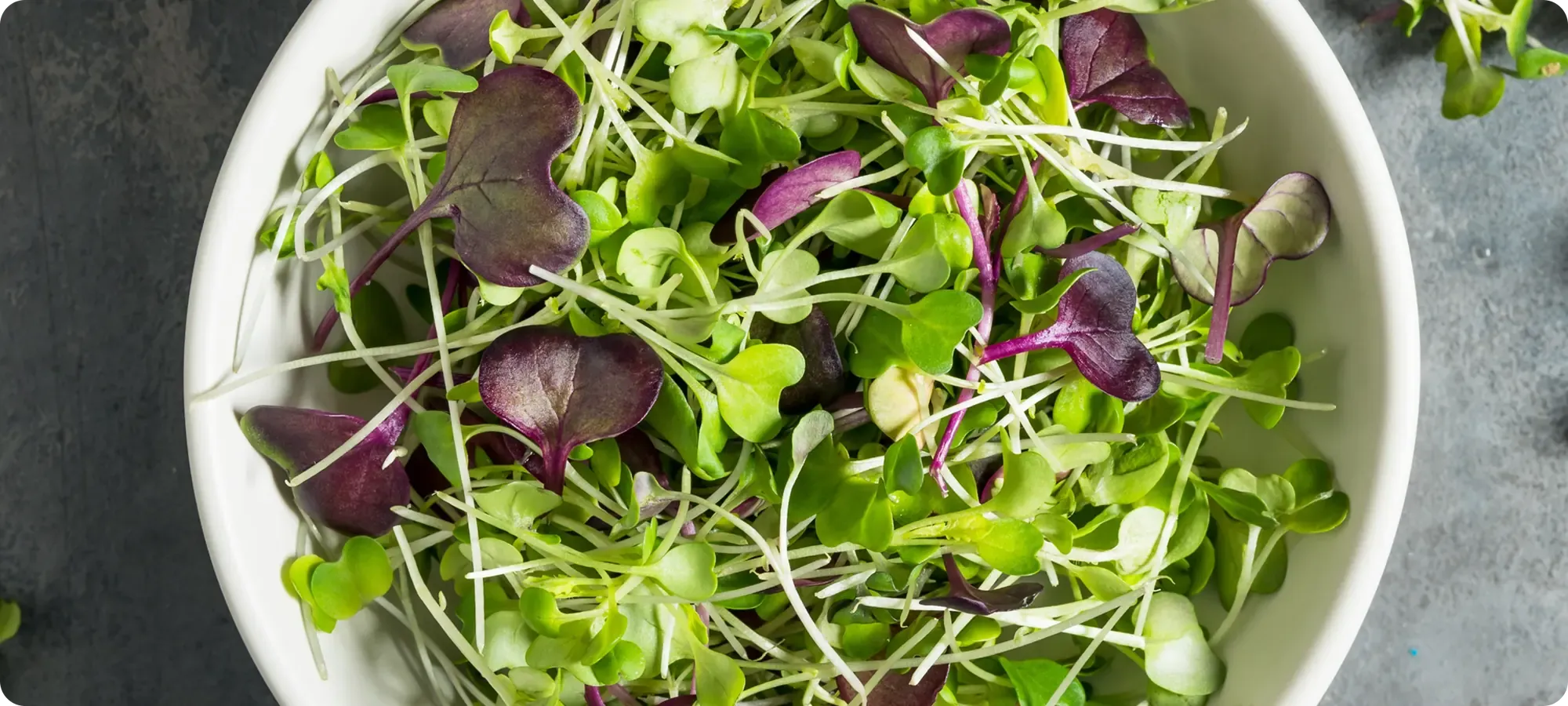
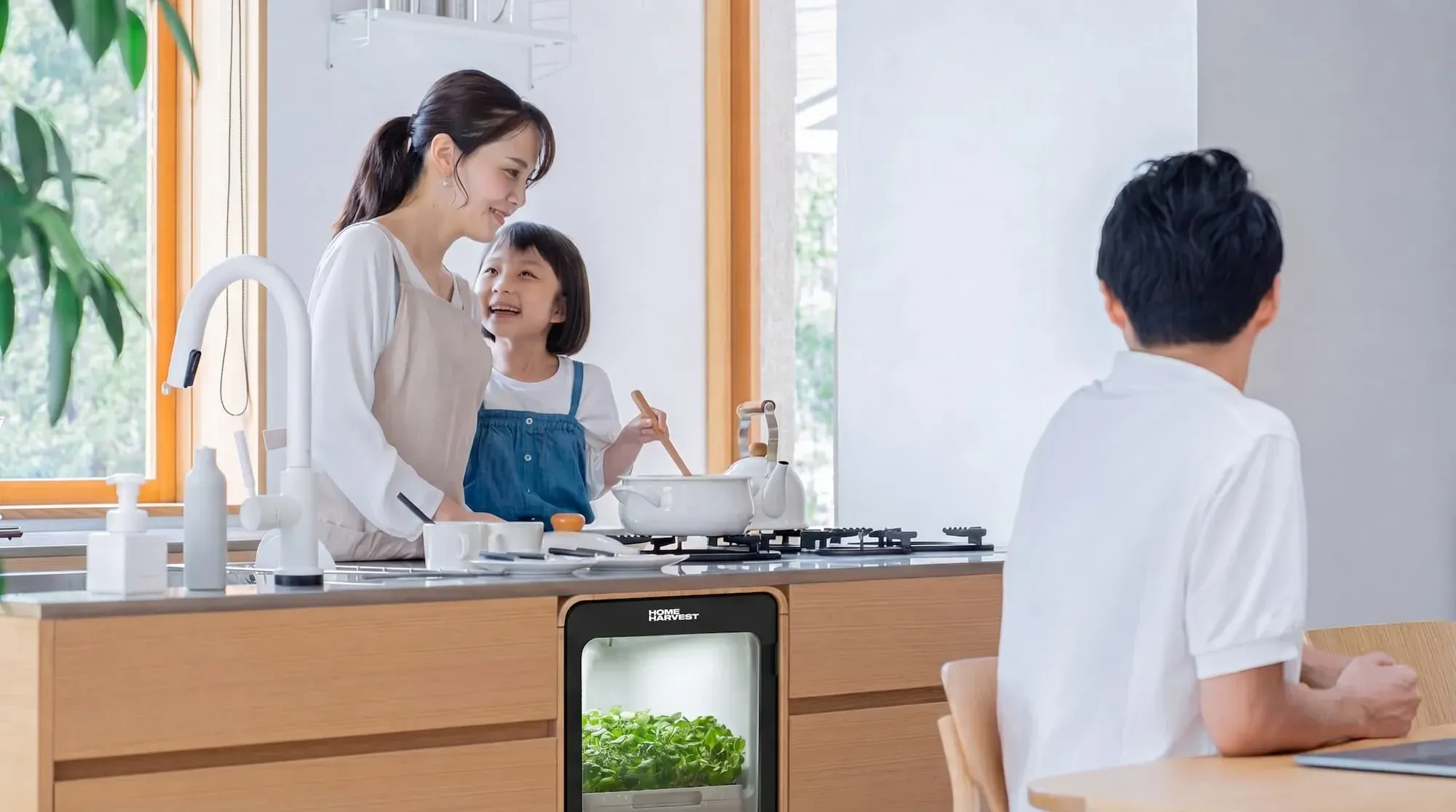
Wellness is not created in a single decision. It is shaped through environments, habits, and repeated behaviours over time. Growing Wellness reflects this reality. When fresh food is visible and accessible, healthier choices become easier. When children grow food, food literacy develops naturally. When harvest aligns with need, waste is reduced. These are not dramatic interventions, but small shifts in proximity that compound over time. Growing Wellness is therefore not just about food production, but about creating conditions where healthier choices become more natural choices.
The future of food will not belong to a single system. It will be shaped by global production and local participation working alongside each other. As food systems evolve under pressure from population growth, environmental change, and rising expectations around transparency and quality, new approaches will emerge. At Home Harvest, our mission is to make nutrition and freshness accessible to every household by bringing harvest closer to consumption.
This empowers people to make healthier choices, reduce food waste, and build a deeper connection with the food they eat.
We believe the future of food begins in part, at home, not by replacing agriculture, but by rethinking proximity. When people reconnect with growing food, something important changes: food becomes more immediate, nutrition more tangible, and wellness more lived.
Growing Wellness is not simply about what we grow, but how close we bring the harvest to the plate. By growing at home, we shorten the journey between harvest and consumption, giving us access to food at its freshest and making fresh, nutrient dense plants part of everyday life. It reconnects us with where our food comes from and puts greater choice back into our hands.
Perhaps the future of fresh food may be closer than we think. It starts at home.