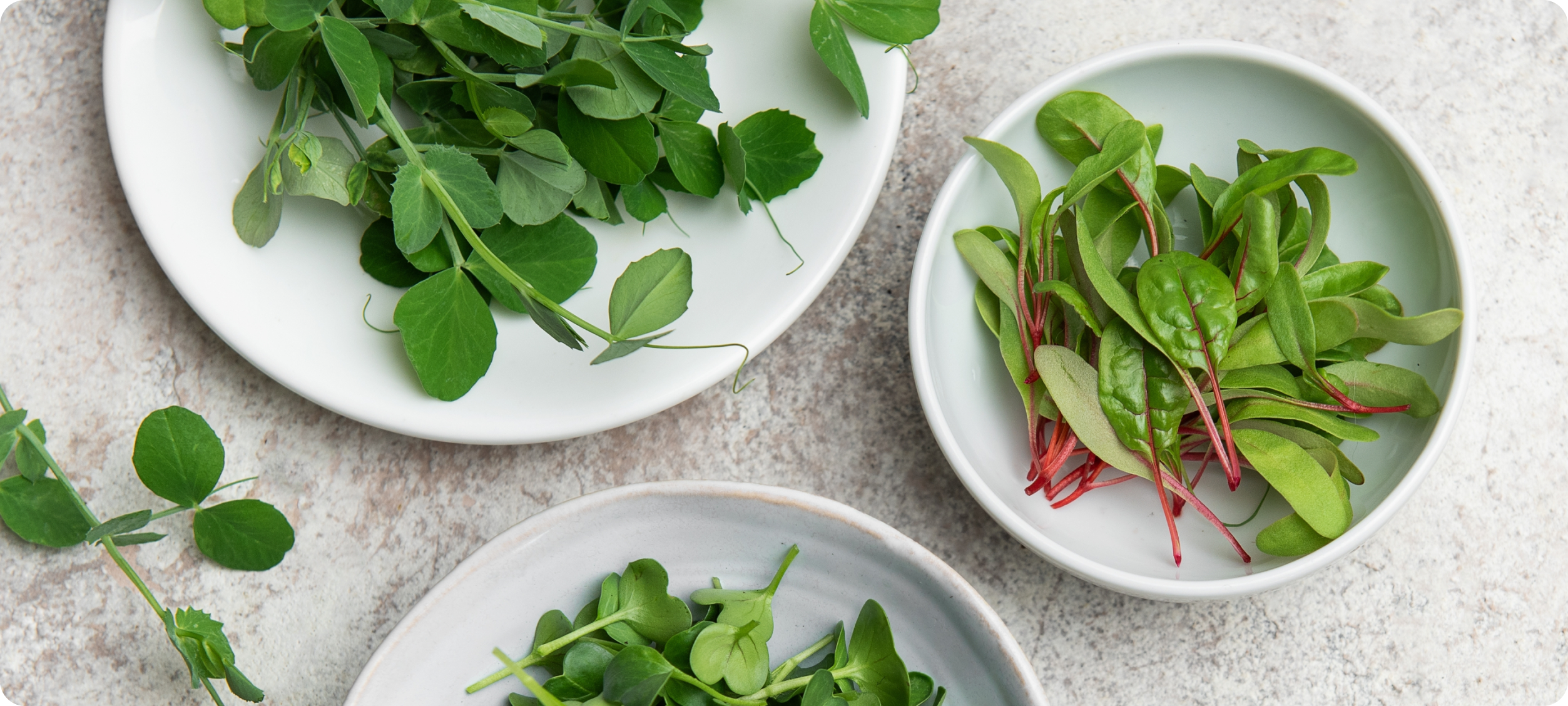
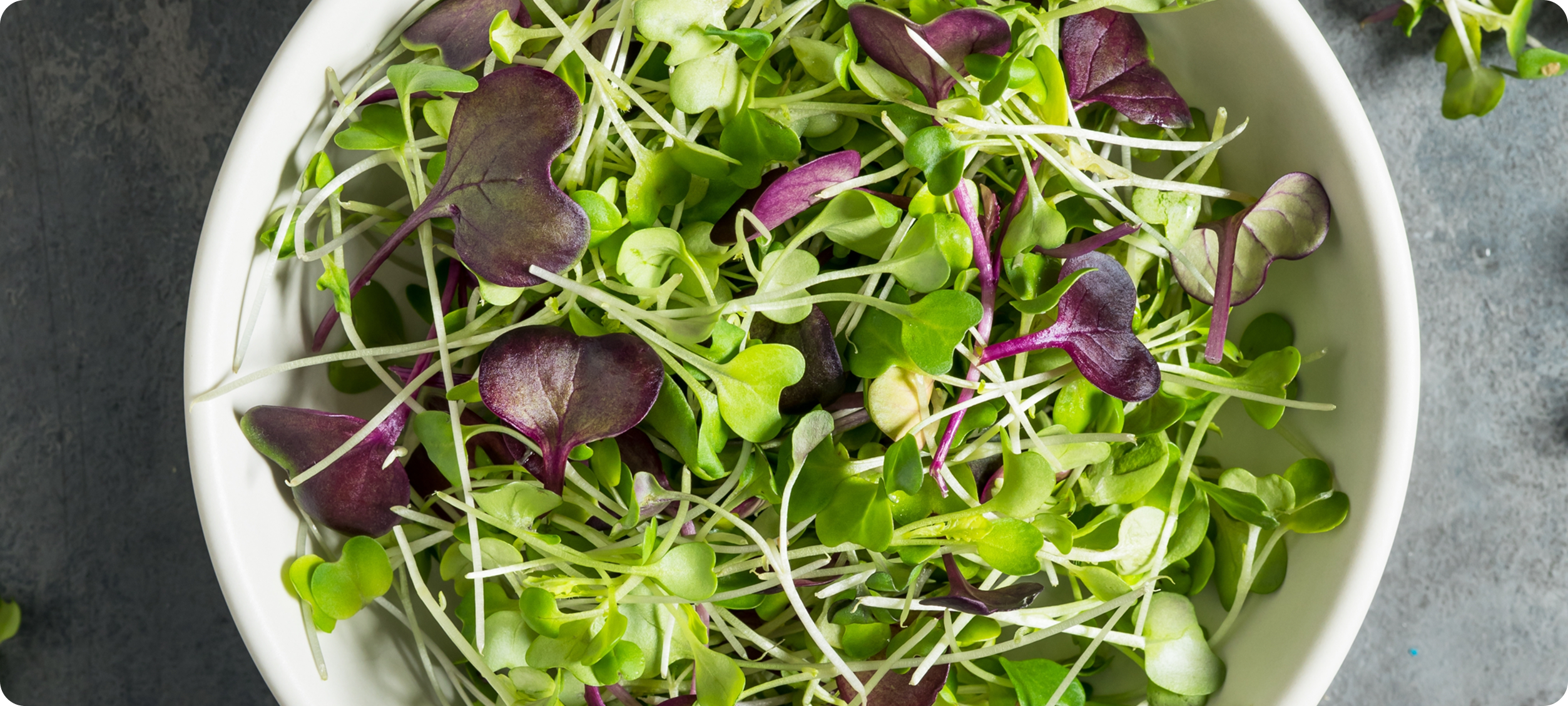
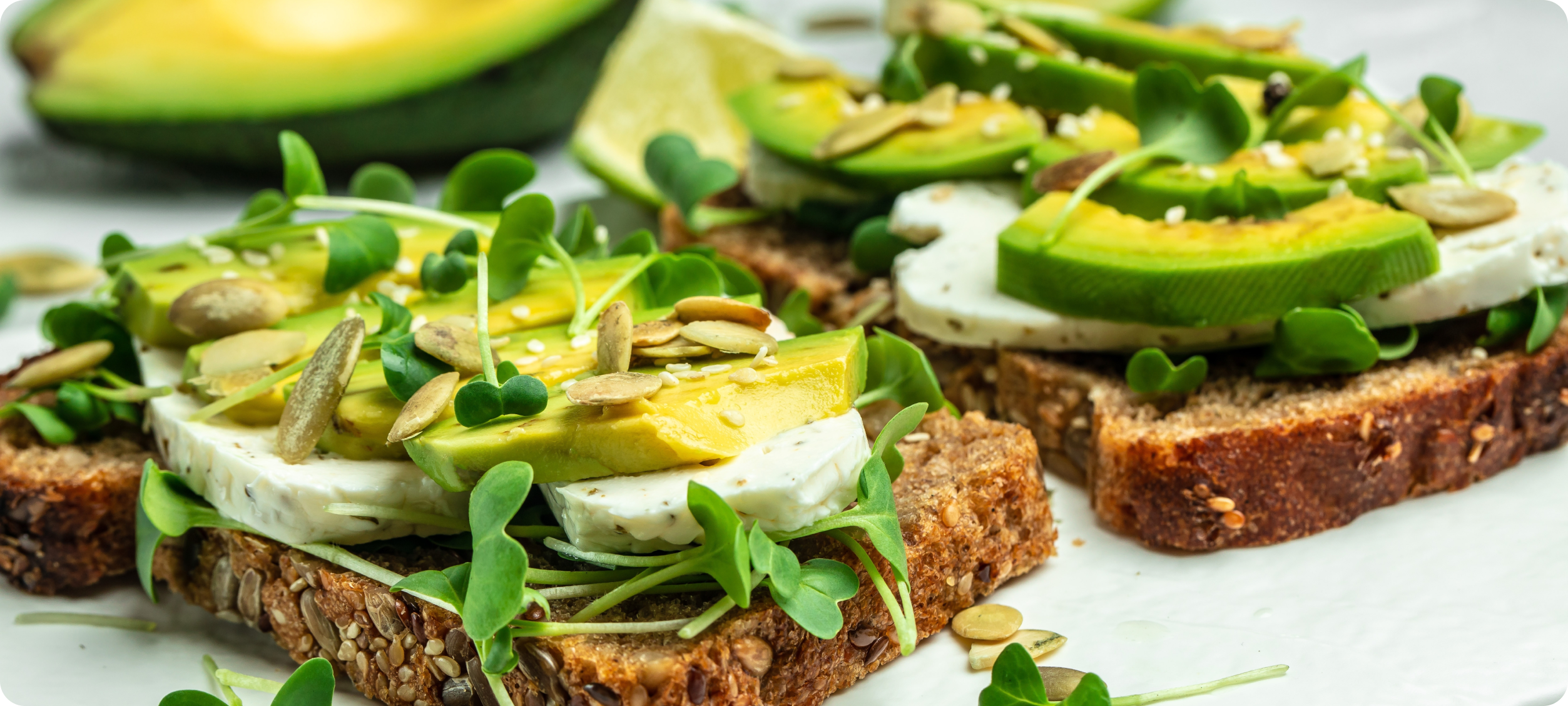
.jpg)
From Seed to Spoon: The Joy of ‘growing’ Your Own Pesto

Marion Boulter
Head of Nutrition and Food
- Freshness
- Pesto
- Variety
There is a particular kind of kitchen magic that happens the moment a food processor turns freshly harvested microgreens into something bright, glossy and utterly delicious. I have made pesto more times than I can count over the years, but it never stops feeling like a little trick, one that makes people (especially kids) look genuinely delighted with what they have helped create.
That's exactly why it's one of my go to recipes for getting the whole family into the kitchen together.
What you will love
- Microgreens are harvested just days after germinating, giving pesto a freshness you won't get from mature herbs alone.
- Almost anything growing in your Harvester can go into a pesto, each variety brings its own flavour and nutritional character.
- Making pesto together is a simple, hands on way to get kids excited about fresh food.
- Full recipe, storage tips, and freezing instructions included below.
Why pesto works so well with microgreens
One of the things I love most about microgreens is how much flavour and nutrition they pack into such a short growing window. Harvested just in 8 days, they carry a concentration of taste and colour you simply don't get from mature herbs. Making pesto has become one of my favourite ways to use what's growing in my harvester without any extra trips to the shop.
Whatever's growing, it belongs in your pesto
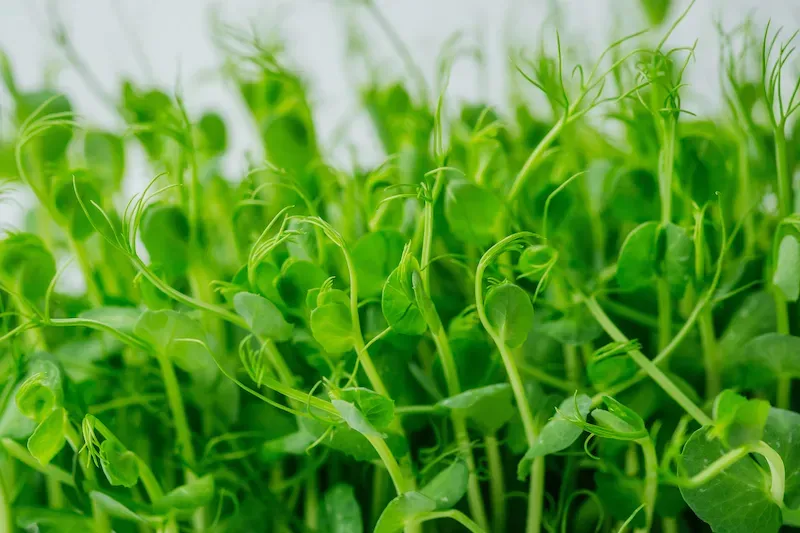
Microgreens ready to Harvest
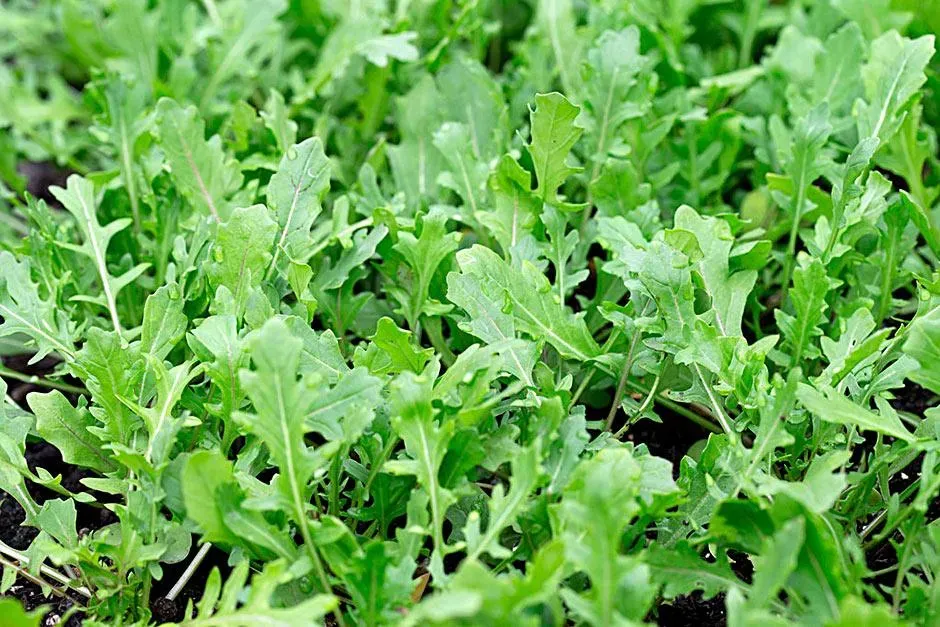
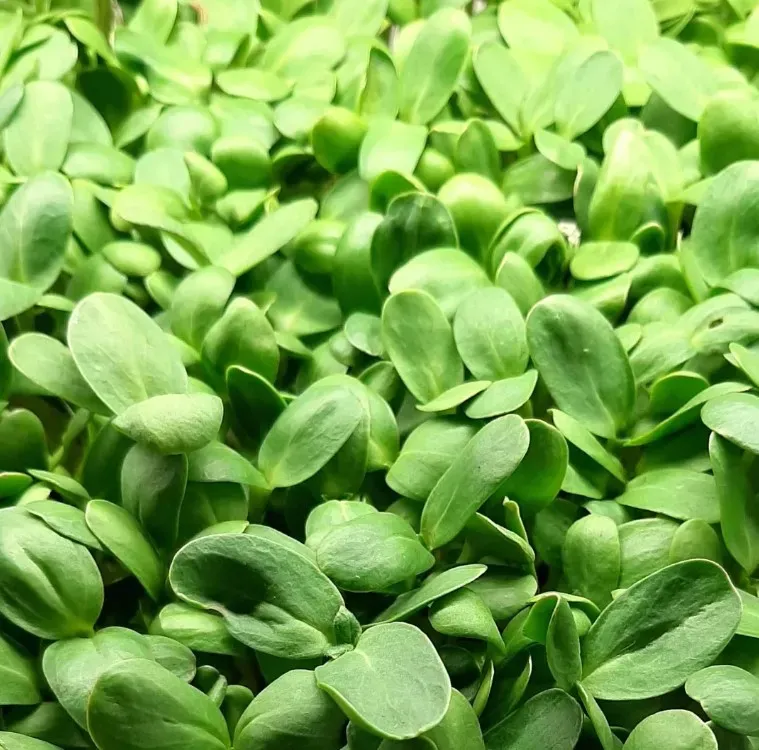
Microgreens ready to Harvest
Microgreens ready to Harvest
Microgreens ready to Harvest
Microgreens ready to Harvest
This is honestly one of my favourite things about pesto: it doesn't demand a shopping list, it just asks what you've already got. Once you know the basic method, almost anything thriving in your Harvester that week can go straight into the processor.
Basil is the classic choice, and for good reason. It's generally considered a good source of vitamin K, along with plant compounds valued for their antioxidant properties, so a basil led pesto is very much the traditional route, just with a fresher, punchier flavour than you'd get from a supermarket bunch.
Rocket takes things in a peppery direction. Like other leafy brassicas, it's typically associated with vitamin K and vitamin C, alongside a range of beneficial plant compounds, and it gives the finished pesto a more robust, grown-up edge.
Radish microgreens bring a sharp, mustardy bite that I love against the richness of the Parmesan and oil. As a category, they're generally considered a good source of vitamin C alongside other beneficial plant compounds.
Kale adds an earthier, slightly bitter note that works beautifully with lemon. Kale microgreens, like their mature counterpart, are typically associated with vitamin K, vitamin C and various antioxidants.
Broccoli, one I think is underused in pesto, gives a mild, fresh flavour with a little crunch. It's widely studied for its sulforaphane content, a plant compound found in cruciferous vegetables.
The result is that pesto becomes less of a fixed recipe and more of a method, one you can genuinely make your own, week after week, depending on what's ready to harvest.
Getting kids involved
If you have got children in the house, pesto is one of the easiest ways to bring them into the cooking. There's something about snipping their own microgreens with scissors, or being allowed to press the button on the food processor (with a watchful eye, of course), that turns a simple recipe into a proper event. I have seen it time and again: a child who's helped make their own pesto is so much more likely to actually want to eat it.
It also plants something a bit deeper than just a tasty dinner. When a child has watched their own microgreens grow, then helped harvest and blitz them into a meal, that connection between growing and eating tends to stick with them. Letting them choose which variety goes in that week is a lovely way to bring the idea above to life at home.
Pesto with a Purpose
A quick, vibrant pesto made from with Home Harvest microgreens
Serves: 4
Prep: 10 mins
Cook: 0 mins
What you'll need
- ½ a clove of garlic
- 1 handful of pine nuts, very lightly toasted
- 2 handfuls of pea shoot microgreens, or whatever is ready to be harvested, kale, broccoli, basil, or a Home Harvest blend - Power Mat Junior
- 30 to 40g (1 good handful) Parmesan, freshly grated
- 80 to 100ml extra virgin olive oil
- Optional: juice of ½ a lemon
- Salt, to taste
Method
- Microplane the garlic straight into a food processor.
- Add the toasted pine nuts and pulse until roughly broken down.
- Add the pea shoot microgreens, then blitz to a rough paste, keeping a little texture rather than going too smooth.
- Add the Parmesan, then, with the motor running, gradually stream in the olive oil until you reach a loose, spoonable consistency.
- Add a squeeze of lemon if using, and season to taste with salt.
- Serve with fresh pasta, salmon parcels, or spooned over roasted vegetables.
Top tip from Marion's Kitchen
To store, keep the pesto in an airtight container in the fridge for up to 5 to 7 days, with a thin layer of olive oil poured over the top to help prevent browning. For longer storage, spoon into ice cube trays and freeze for up to 3 months. Then simply pop out a cube whenever you need a quick hit of pesto.
Ready to grow your own pesto ingredients?
Every microgreen in this recipe starts life right there in your Home Harvest Harvester. Whatever's growing that week, pea shoots, kale, basil, or Power Mat Junior, you're never more than a few days from a fresh harvest and a bowl of pesto.