Variety Is The Secret To A Happy Gut

Marion Boulter
Head of Nutrition and Food
- Freshness
- Gut Microbiome Diversity
Summary
- Gut microbiome diversity: Research consistently links a wider variety of plant foods rather than any single "superfood" to a healthier, more robust gut microbiome.
- The 30-plant threshold: The landmark American Gut Project revealed that individuals consuming more than 30 distinct plant types per week had significantly more diverse gut microbiomes than those eating 10 or fewer.
- Progress over perfection: The goal is variety, not strict compliance. Even incremental additions to your weekly plant intake yield measurable benefits.
- The microgreen advantage: Nutrient-dense microgreens offer an effortless way to boost your weekly plant count without adding complexity to your grocery list or meal preparation.
- Take the challenge: Explore our Home Harvest 30 Plants Challenge below to discover how easily you can expand your plant diversity this week.
If you have spent any time following nutrition research recently, you have likely encountered the advice to eat "30 plants a week." While it may sound like another passing wellness trend, the science behind this recommendation is compelling and it has fundamentally shifted how we approach everyday meal planning.
The Science Behind the 30-Plant Concept
The benchmark originates from the American Gut Project, launched in 2012 as a collaborative effort between the Earth Microbiome Project and the Human Food Project. Analyzing microbiome data from over 11,000 participants across the UK, US, and Australia, researchers uncovered a striking pattern: regardless of specific dietary preferences (whether vegan, vegetarian, or omnivorous), participants who consumed more than 30 distinct plant types per week harboured significantly more diverse gut microbiomes than those who consumed 10 or fewer.
Crucially, the findings demonstrated that overall dietary labels mattered far less than the range of plants consumed. Diversity of plant intake emerged as the single strongest predictor of a healthy, resilient microbiome.
Why Gut Microbiome Diversity Matters
Your gut is home to trillions of microorganisms collectively known as the gut microbiome. That influence everything from digestion and metabolic health to immune function and mood regulation. A diverse microbiome equips your body to better adapt to stress, resist harmful pathogens, and maintain optimal systemic balance.
A key mechanism behind these health benefits involves short-chain fatty acids (SCFAs), which are produced when gut bacteria ferment dietary fibre. The American Gut Project noted that higher plant diversity directly correlates with a greater abundance of SCFA-producing microbes. These essential compounds strengthen the gut lining, regulate appetite, and help protect against metabolic conditions such as obesity and type 2 diabetes. Furthermore, individuals eating over 30 plant varieties weekly showed lower levels of antibiotic resistance genes in their gut flora compared to those eating 10 or fewer.
The necessity for variety stems from the complex nature of dietary fibre. Different plants offer distinct types of fibre, and specific bacterial strains thrive on particular fibre profiles. Consuming a limited selection of vegetables feeds only a narrow segment of your gut population; introducing 30 different plants provides nourishment for a broad, thriving micro-ecosystem.
How to Achieve 30 Plants a Week
While 30 is an ideal weekly target, scientists emphasize that it should serve as an inspiring framework rather than a rigid requirement. The overarching goal is continuous variety. Even modest increases in plant diversity deliver tangible health rewards.
Reaching the target is remarkably achievable when you consider how broadly "plants" are defined. It extends beyond fruits and vegetables to include whole grains, pulses, nuts, seeds, microgreens, herbs and spices. For instance, a single curry incorporating onions, garlic, ginger, turmeric, cumin, coriander, chickpeas, and tomatoes served over brown rice seamlessly ticks off nine distinct plants in one meal.
Where Microgreens Fit In
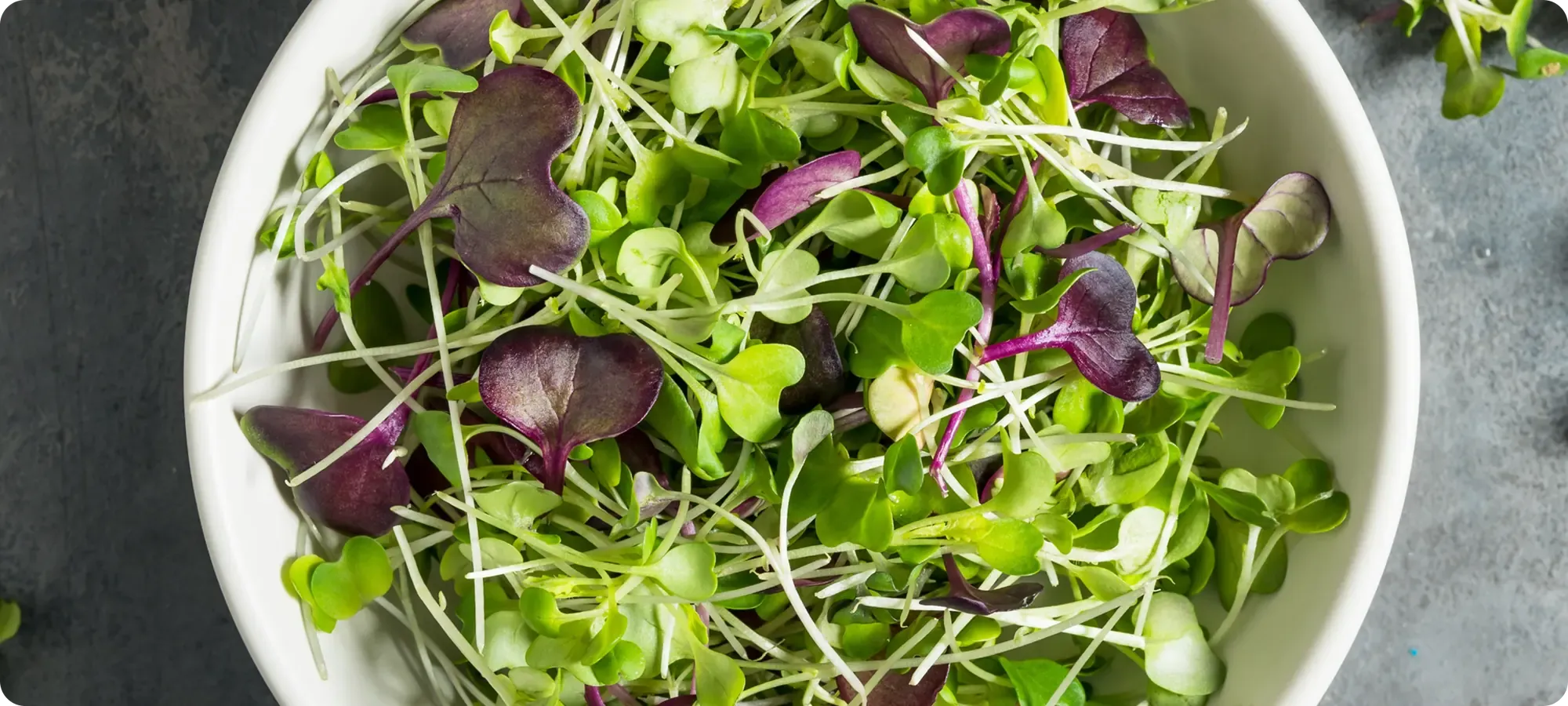
Microgreens are an invaluable asset for building plant diversity. Far more than an aesthetic garnish, these young greens can be stirred, blended, or folded directly into your standard meals. Because they are harvested at an early growth stage, a single tray can provide several distinct plant varieties from brassicas to shoots.
Stirring a handful of microgreens into a dhal, blending them into a soup or smoothie, or tossing them through a fresh salad dressing instantly raises your plant count. Every unique variety counts as an individual plant toward your weekly 30, providing a effortless win for busy schedules.
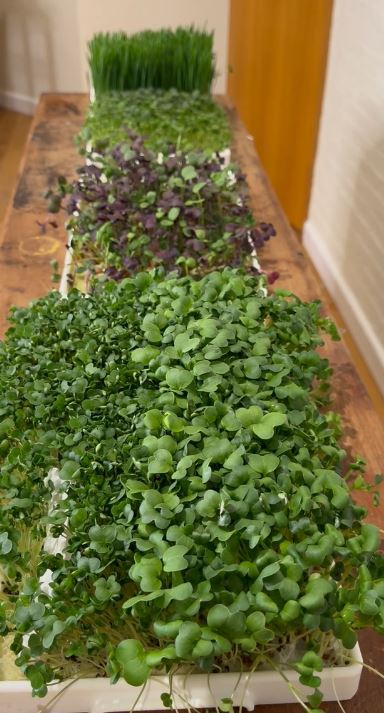
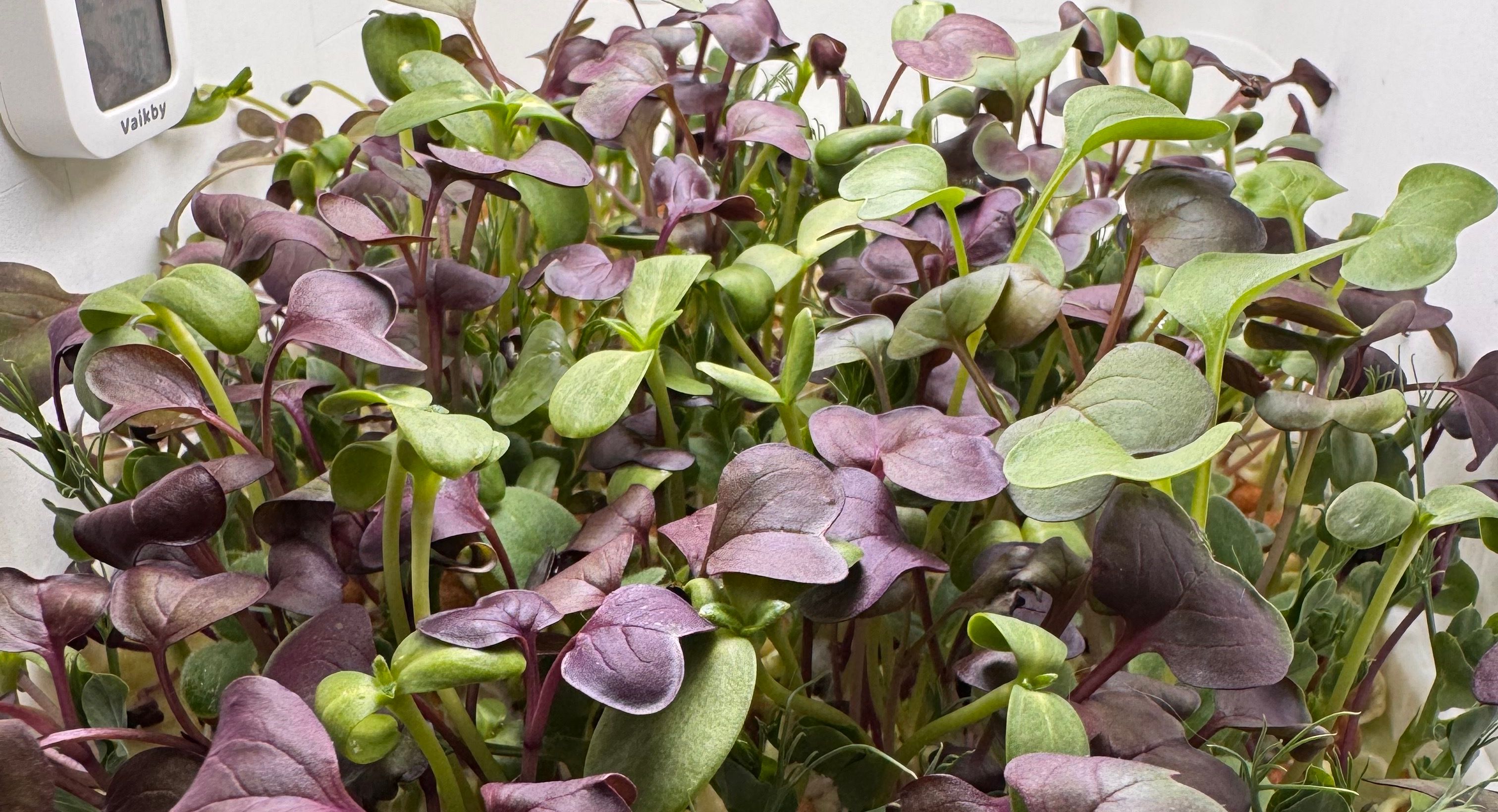
8 days old - Broccoli and Radish Microgreens
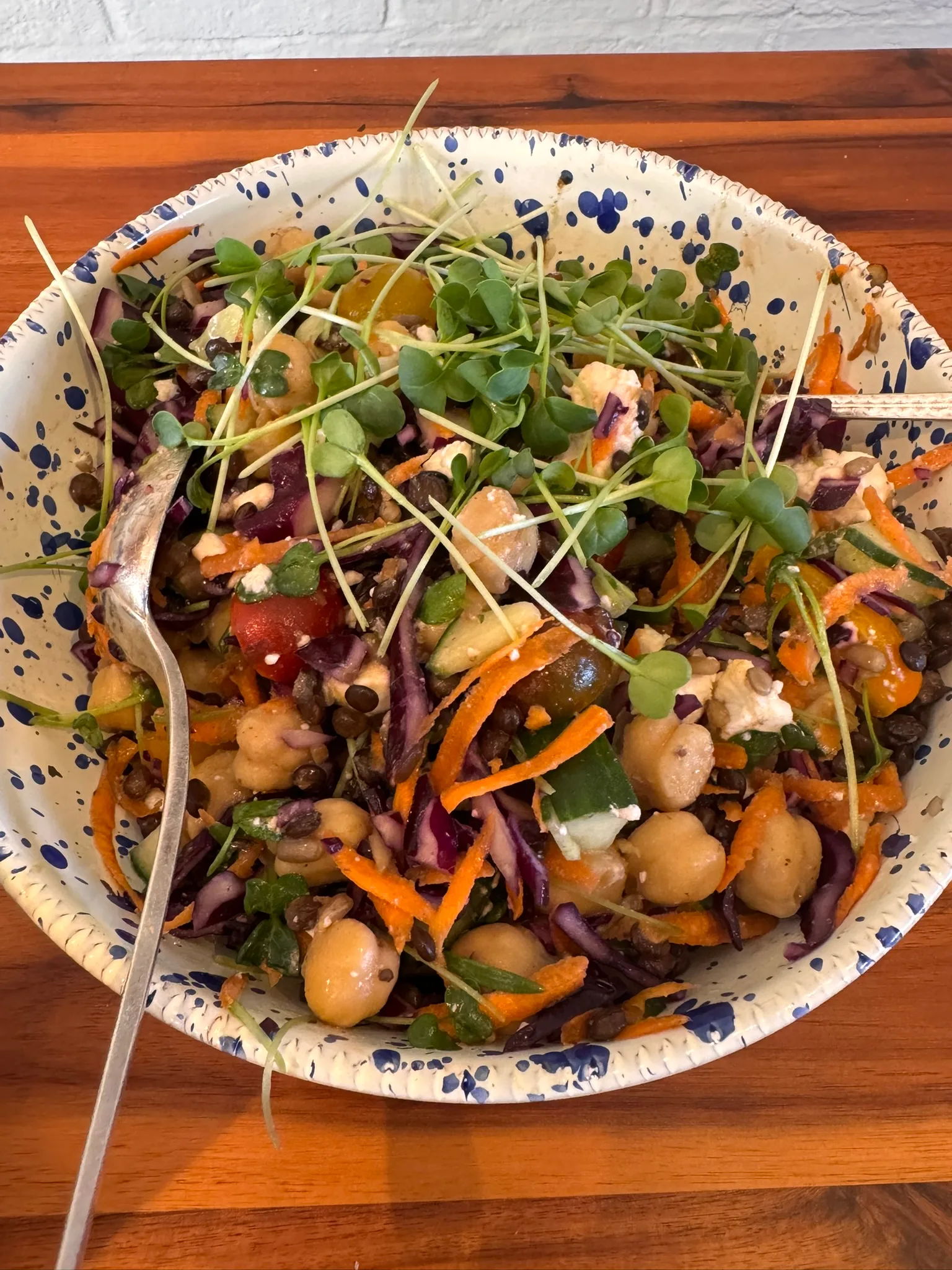
8 days old - Broccoli and Radish Microgreens
8 days old - Broccoli and Radish Microgreens
8 days old - Broccoli and Radish Microgreens
8 days old - Broccoli and Radish Microgreens
8 days old - Broccoli and Radish Microgreens
Growing Diversity with Home Harvest Blends
At Home Harvest, this research shapes the design of our curated microgreen blends. We create tailored combinations to make reaching your weekly plant goals simple and delicious.
A few of our specialised blends currently in development:
Home Harvest Variety Blend - A daily blend of microgreens, part of eating a wide variety of plants, something increasingly linked to a more diverse gut microbiome.
Fields of Verona - Rustic Italian flavours rooted in the sun-drenched fields of northern Italy.
English Country Garden - Delicate, aromatic herbs and vibrant greens inspired by classic British kitchen gardens.
Power Mat Junior - Grown with children in mind, a mix of pea shoots, sunflower, borage and radish that's mild enough for little ones and, more importantly, actually gets eaten.
Mama's Mix - A gentle mix of broccoli, green cabbage, kale, bulls blood beet and mizuna, grown for those eating for two.
Each blend offers a convenient, intentional step toward greater dietary variety without requiring extra prep time in the kitchen.